Top Podiatry Notice Banner

Restoring Circulation and Healing Arterial Leg Ulcers

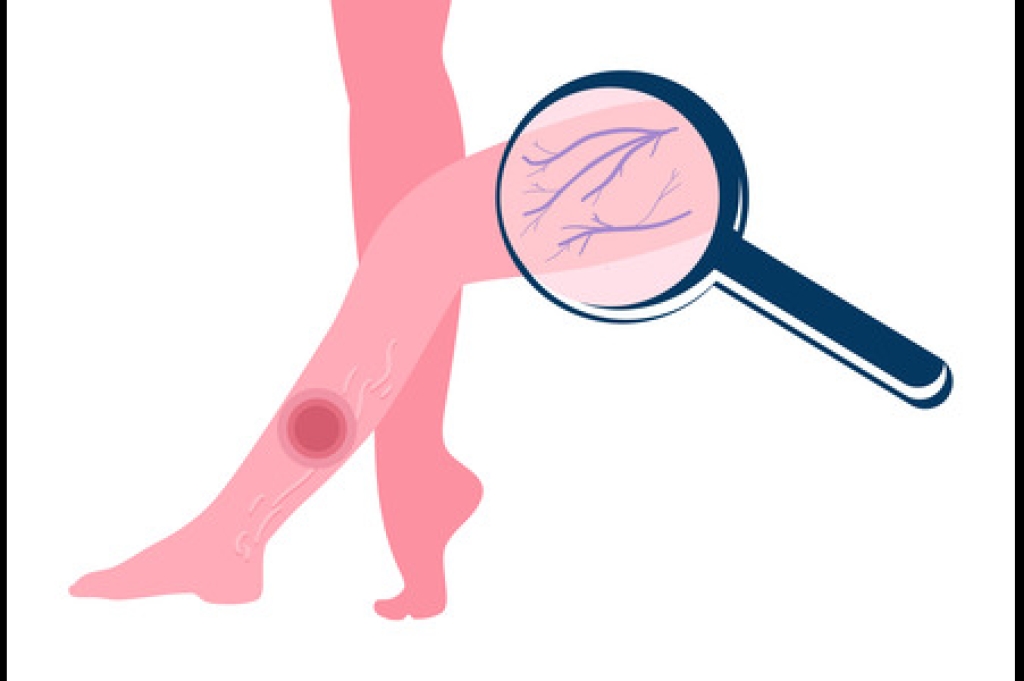
Arterial ulcers occur when reduced blood flow prevents oxygen and nutrients from nourishing the skin, leading to slow-healing wounds on the legs, feet, or toes. These ulcers often develop in people with diabetes, peripheral artery disease, or poor circulation, and may appear small but feel painful. Wound care specialists provide targeted treatments designed to restore healing and comfort. This may include improving blood flow through vascular assessment, cleansing the wound, and applying advanced dressings that protect tissue and maintain moisture balance. Some patients benefit from compression therapy, gentle targeted exercises, or circulatory support to encourage faster recovery. Daily foot checks, smoking cessation, and proper hydration can also help prevent future ulcers. If you notice a sore on your leg or foot that is not healing, it is suggested that you schedule an appointment with a wound care specialist.

Pressure Sores, Pressure Ulcers, and Arterial Ulcers Can Lead to Skin Breakdown

Not all wounds on the feet, ankles, and legs are the same. Pressure sores, pressure ulcers, and arterial ulcers may look similar at first, but develop for different reasons and require specialized care. Understanding these differences is key to proper treatment.

Pressure sores are often caused by friction at common rubbing points. Toes rubbing against each other can create small raw areas, while wearing ill-fitting shoes may lead to sores on the heel, ankle, or sides of the foot. These injuries usually begin at the surface but can quickly deepen if ignored.

Pressure ulcers, sometimes called bedsores, occur when the skin and tissue are compressed between bone and an external surface for long periods of time. On the lower extremities, they frequently appear on the heels, ankles, calves, or shins. Limited mobility, tight footwear, or prolonged bed rest can all contribute to these ulcers, which may progress through multiple stages from redness to open, infected wounds.

Arterial ulcers are different in that they result from poor circulation. When blood flow to the feet and legs is reduced, oxygen and nutrients cannot reach the tissue. Even small sores on the toes, heels, or shins may become painful, deep ulcers that heal very slowly. Unlike friction-related sores, arterial ulcers are directly tied to vascular health and often signal an underlying circulation problem.

All three types of wounds demand professional attention. A wound care specialist can determine the cause, relieve pressure, improve circulation when possible, and use advanced techniques to promote healing.

If you notice a sore on your foot, ankle, or leg that is slow to close or worsening, call us for timely care to help prevent serious complications and preserve long-term mobility.
Read more about Pressure Sores, Pressure Ulcers, and Arterial Ulcers

Understanding Chronic Wounds on the Lower Extremities

Chronic wounds on the lower legs and feet develop when skin and underlying tissues do not heal as expected, usually taking longer than four weeks to show improvement. Poor circulation is one of the most common causes. Venous disease can create swelling and pressure that break down skin, while arterial disease limits the blood flow needed for repair. Diabetes also plays a major role, as elevated blood sugar can damage nerves and vessels, leading to wounds that start small but linger. Pressure, friction from footwear, infection, and underlying swelling can all make healing even more difficult. Chronic wounds may appear dry, draining, or painful, and they often recur without targeted care. Identifying the root cause is essential for effective treatment, which may include compression, offloading, advanced dressings, or medical management. If a wound on your lower legs or feet is not healing as expected, it is suggested that you see a wound care specialist for proper evaluation and appropriate care.

Chronic Wounds and Complications That Slow Recovery
Most wounds follow a predictable healing pattern, but some linger far longer than expected. Chronic wounds are those that fail to progress through normal healing, often remaining open, painful, and vulnerable to infection. On the feet, ankles, and legs, these stubborn wounds can significantly limit mobility and quality of life.
Post-surgical wounds are a common source of concern. While surgery is intended to improve health, the incision site does not always close as planned. Compromised circulation, infection, or pressure can delay healing and leave patients dealing with ongoing discomfort. Professional monitoring and care are essential to ensure the wound is cleaned, dressed, and supported until closure is achieved.
Chronic pain conditions may also complicate recovery. Neuromas, for example, are thickened nerve tissues that can cause persistent pain in the foot. Although not open wounds themselves, they often interfere with normal gait and create pressure points that make the skin more prone to breakdown. Left unaddressed, this discomfort can contribute to recurring sores or prevent existing wounds from closing.
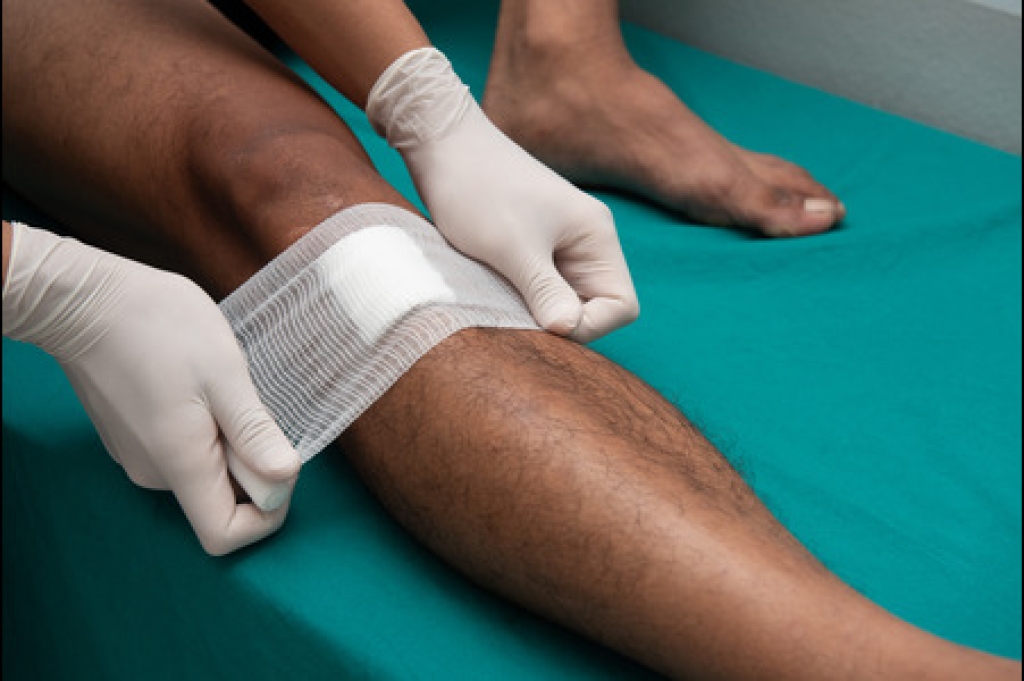
Chronic wounds require specialized attention because traditional home remedies are rarely enough. Advanced wound care techniques may involve debridement, specialized dressings, pressure offloading, or therapies designed to improve blood flow and tissue repair.
If you have a wound on your foot, ankle, or leg that is not healing or continues to reopen, call us today for expert care from our wound specialist.
 

Read more about Chronic Wounds

Effective Blister Treatment for Faster Healing

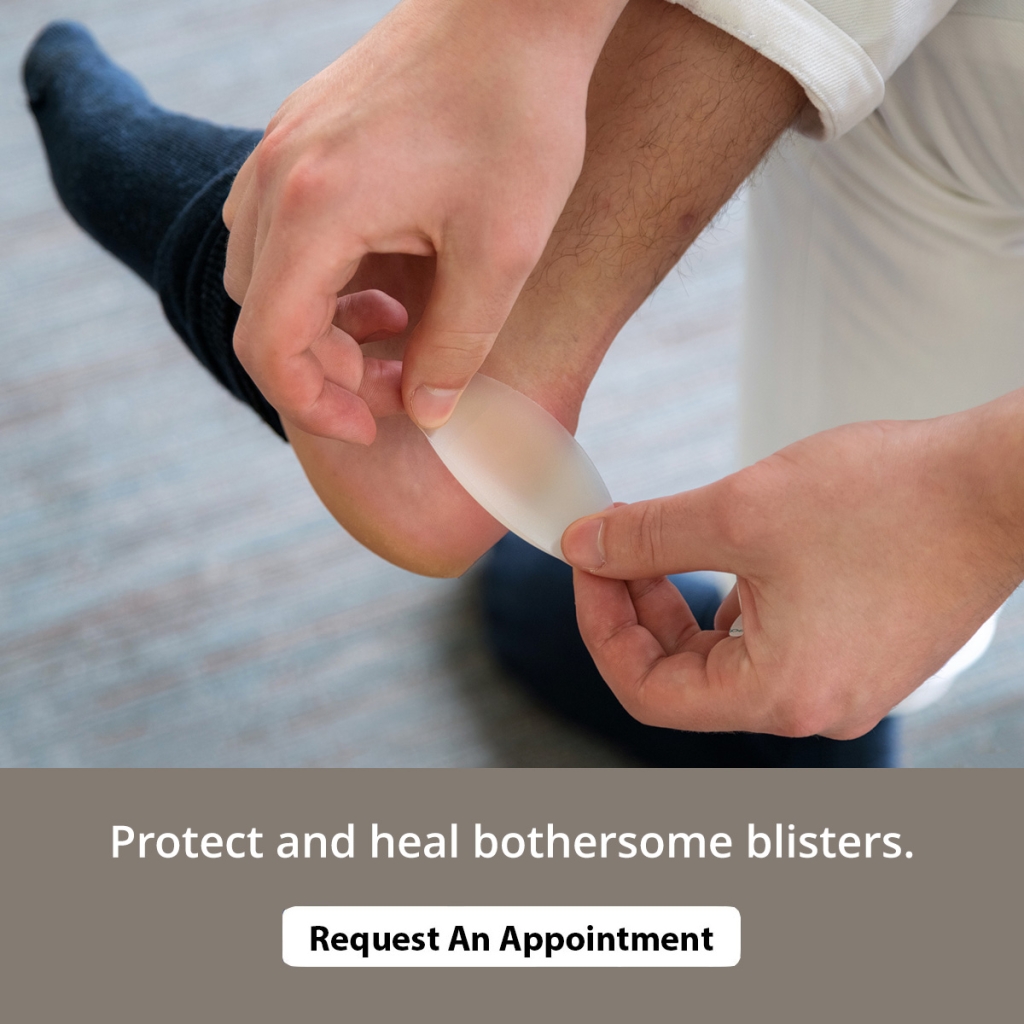
Blisters can be painful and prone to infection if not treated properly. Our wound care specialist provides gentle treatment to protect the skin, relieve pain, and promote quick healing. Early care helps prevent complications and restores comfort faster.

scroll to top