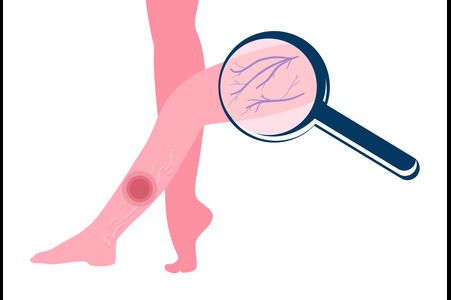
Arterial ulcers occur when reduced blood flow prevents oxygen and nutrients from nourishing the skin, leading to slow-healing wounds on the legs, feet, or toes. These ulcers often develop in people with diabetes, peripheral artery disease, or poor circulation, and may appear small but feel painful. Wound care specialists provide targeted treatments designed to restore healing and comfort. This may include improving blood flow through vascular assessment, cleansing the wound, and applying advanced dressings that protect tissue and maintain moisture balance. Some patients benefit from compression therapy, gentle targeted exercises, or circulatory support to encourage faster recovery. Daily foot checks, smoking cessation, and proper hydration can also help prevent future ulcers. If you notice a sore on your leg or foot that is not healing, it is suggested that you schedule an appointment with a wound care specialist.
Pressure Sores, Pressure Ulcers, and Arterial Ulcers Can Lead to Skin Breakdown
Not all wounds on the feet, ankles, and legs are the same. Pressure sores, pressure ulcers, and arterial ulcers may look similar at first, but develop for different reasons and require specialized care. Understanding these differences is key to proper treatment.
Pressure sores are often caused by friction at common rubbing points. Toes rubbing against each other can create small raw areas, while wearing ill-fitting shoes may lead to sores on the heel, ankle, or sides of the foot. These injuries usually begin at the surface but can quickly deepen if ignored.
Pressure ulcers, sometimes called bedsores, occur when the skin and tissue are compressed between bone and an external surface for long periods of time. On the lower extremities, they frequently appear on the heels, ankles, calves, or shins. Limited mobility, tight footwear, or prolonged bed rest can all contribute to these ulcers, which may progress through multiple stages from redness to open, infected wounds.
Arterial ulcers are different in that they result from poor circulation. When blood flow to the feet and legs is reduced, oxygen and nutrients cannot reach the tissue. Even small sores on the toes, heels, or shins may become painful, deep ulcers that heal very slowly. Unlike friction-related sores, arterial ulcers are directly tied to vascular health and often signal an underlying circulation problem.
All three types of wounds demand professional attention. A wound care specialist can determine the cause, relieve pressure, improve circulation when possible, and use advanced techniques to promote healing.
If you notice a sore on your foot, ankle, or leg that is slow to close or worsening, call us for timely care to help prevent serious complications and preserve long-term mobility.
