Blistering disorders are conditions where the skin becomes unusually fragile, leading to fluid-filled blisters that can appear even with minimal irritation. When these disorders affect the feet and lower legs, everyday friction from socks, shoes, braces, or swelling can make symptoms more noticeable. Autoimmune conditions such as bullous pemphigoid cause the body to attack its own skin, resulting in firm, often itchy blisters. Genetic conditions like epidermolysis bullosa create extremely delicate skin that blisters from light pressure or rubbing. Dermatitis herpetiformis, linked to gluten sensitivity, may show up as clusters of small, intensely itchy blisters on the lower limbs. Infections, medications, or allergic reactions can also trigger sudden blistering in these areas. Because these disorders can lead to slow healing, discomfort, and infection risk, it is suggested that you seek evaluation by a wound care specialist for an accurate diagnosis and appropriate care.
Why Blisters Can Be Risky for Leg and Foot Health
Blisters are small pockets of fluid that form beneath the skin, often as a result of friction, pressure, or burns. On the feet, ankles, and legs, they are particularly common because these areas endure daily stress from walking, running, and wearing shoes. While many blisters are minor, they can become serious if not treated correctly, especially in individuals with diabetes or poor circulation.
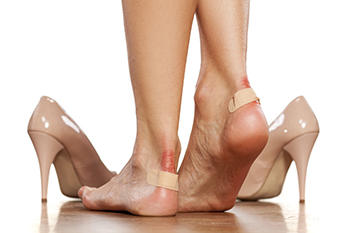
Friction is the most common cause of blisters. Shoes that are too tight, too loose, or not properly cushioned may rub against the heel, toes, or sides of the foot, leading to painful fluid-filled bubbles. Activities such as hiking, sports, or even long periods of standing can also trigger blisters, especially when combined with moisture from sweat.
Other blisters may form from burns, allergic reactions, or underlying medical conditions. On the lower extremities, blisters that break open expose the skin to bacteria, increasing the risk of infection and complicating the healing process. If a blister appears on the ankle, heel, or shin, it may interfere with walking and daily mobility.
Proper care begins with protecting the blister. Keeping the area clean, covered, and free from further friction supports healing. However, large, painful, or recurrent blisters often require professional evaluation. For patients with compromised circulation or nerve damage, even a small blister can turn into a much larger problem if ignored.
A wound care specialist can determine the cause, provide safe drainage if needed, and apply advanced dressings to promote recovery. They can also recommend changes in footwear, activity, or skin protection strategies to prevent future blisters.
If you have developed a blister on your foot, ankle, or leg that is not healing or is becoming more painful, make an appointment with us as soon as possible.
