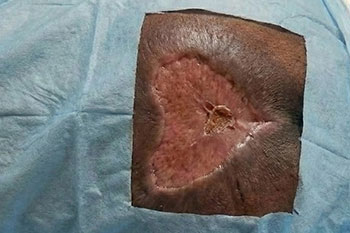
A pressure ulcer, also called a bedsore or decubitus ulcer, is a type of wound that develops when constant pressure on the skin restricts blood flow to the tissues. This lack of circulation leads to tissue damage and, over time, the breakdown of the skin and underlying structures. Pressure ulcers most often occur over bony areas such as the heels, ankles, hips, and tailbone, where there is little cushioning between the bone and the skin.
Pressure ulcers are classified into stages based on severity. The earliest stage may appear as redness or discoloration that does not fade when pressed. If untreated, the ulcer can progress to deeper layers, eventually exposing muscle, tendon, or even bone. Risk factors include limited mobility, prolonged bed rest, wheelchair use, moisture from perspiration or incontinence, and poor nutrition.
In wound care, the treatment and prevention of pressure ulcers require a comprehensive approach. The first step is to relieve pressure by repositioning the patient frequently and using specialized cushions or mattresses. Keeping the wound clean, managing moisture, and using appropriate dressings help prevent infection and promote healing. Advanced wound care treatments such as debridement, negative pressure therapy, and biological dressings may be recommended for more severe ulcers.
Wound care specialists play a vital role in assessing and managing pressure ulcers, especially those affecting the feet or lower limbs. They can evaluate circulation, identify underlying causes such as diabetes or neuropathy, and design a personalized care plan to support healing and prevent recurrence.
If you or a loved one has a wound that is not healing properly or signs of a pressure ulcer such as redness, swelling, or skin breakdown, do not wait to seek help. Schedule an appointment with our office for a professional evaluation and treatment. Early care can significantly improve healing outcomes and protect long-term health.
